
Latest News – ROLE OF PHYSIOTHERAPY IN ANTENATAL AND POSTNATAL CARE
Pregnancy is usually associated with multiple physical changes that are characterised with alteration in the body’s centre of mass, an increase in pressure on vital internal organs, and increase in body weight. These changes often lead to back pain, pelvic pain, and urinary incontinence amongst other things. It is reported that over two thirds of pregnant women experience back pain, one fifth experience pelvic pain and over 40% experience urinary incontinence in their first pregnancy, half of those who experience urinary incontinence remaining incontinent at 8 weeks post- partum while one third experience a new onset of incontinence after child birth.
Evidences from literatures had shown that exercise training programs designed and delivered by physiotherapists can relieve lower back pain, pelvic pain, and urinary incontinence in pregnant women. Physiotherapy also aids with reducing swelling of extremities and strengthening weak muscles during and after pregnancy. With respect to physiotherapy preventing physical and emotional instability, anxiety, and stress, there are improved changes in the mother for a successful pregnancy. When antenatal and postnatal physiotherapy care is taken under consideration, there is a wide array of approaches that a physiotherapist puts forward. The assessment, thorough evaluation, diagnosis, treatment, and prevention are all part of the care cycle that encourages enhanced quality of life.
ANTENATAL EXERCISES
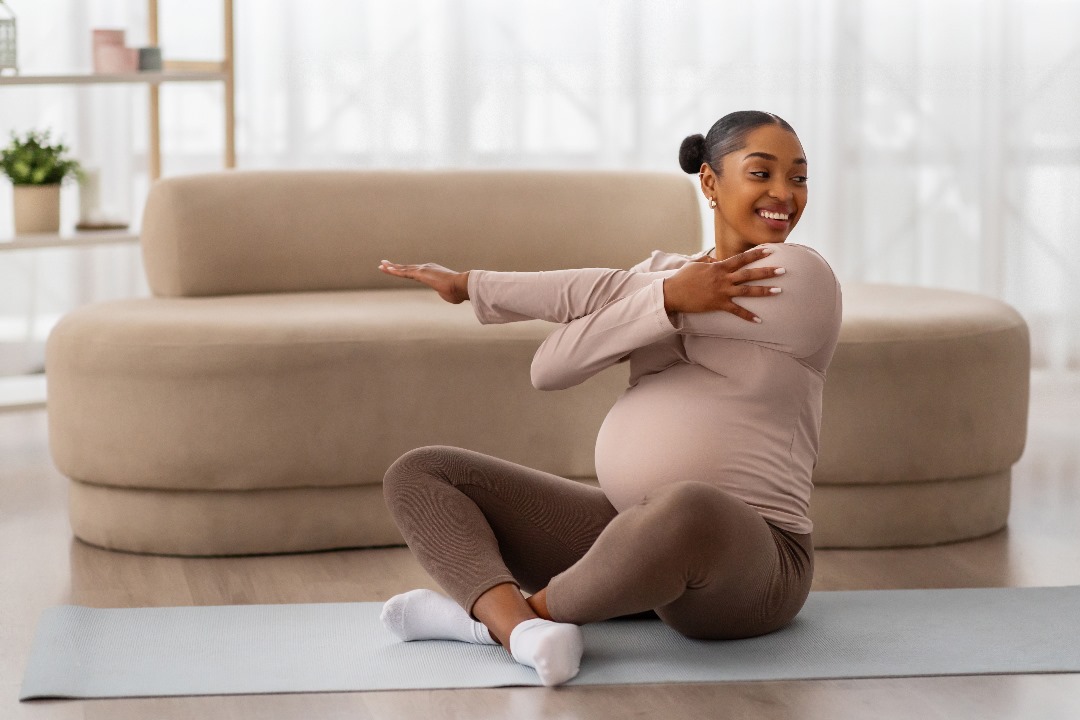
Antenatal exercises are the ones that aim at improving the physical and psychological well-being of the mother during pregnancy. Antenatal exercises play a significant role in preventing pregnancy-induced health issues. Antenatal exercises help to keep good flexibility and strength of pelvic floor muscles, help during labour, prevent chance of diastasis recti and helps in faster recovery after delivery.
Advantages with Antenatal Exercises
Antenatal exercises come with a number of advantages for the expected mother including;
1. Reducing fatigue.
2. Reducing insomnia, anxiety and stress
3. Reducing other pregnancy related complaints such as fatigue, cramps, swelling of extremities and so on.
4. Improving muscle strength.
5. Improving core stability.
5. Maintaining posture and enhancing relaxation.
6. Improving posture.
7. Preventing excessive weight gain in pregnancy.
8. Preparing for physical demands of labour.
POST NATAL EXERCISES
The World Health Organisation states that the postnatal exercises help keep the mother healthy and fit.
Advantages of the Postnatal Exercises
Postnatal physiotherapy plays a crucial role in aiding a woman's recovery after childbirth, addressing physical and emotional needs, and promoting overall well-being. The postnatal physiotherapy has a combination of specific treatments involved, out of which the pelvic floor exercises are of major highlight. Postnatal physiotherapy usually has the following advantages for a mother:
1. Improves mood and cardiorespiratory fitness.
2. Promotes pregnancy weight loss.
3. Strengthens pelvic floor muscles
4. Addresses diastasis recti (condition where abdominal muscles separate during pregnancy).
5. Enhances psychological well-being.
6. Improves posture and reduces back pain
7. Improves sexual health and cuts down chances of sexual dysfunction.
8. Leads to a better outlook for improved health and quality of life.
9. Address other issue like management of scar tissue post C-section, improving circulation and promote overall well- being,
KEGEL OR PELVIC FLOOR EXERCISES
Kegel exercises help one strengthen the muscles which enhance bladder, uterus, and bowel support. These exercises help strengthen the pelvic muscles during pregnancy that makes the body gain the ability to control and focus on the preparation of labour and birth.
Postnatal pelvic floor exercises are vital for the postpartum period as they address pelvic pain, urinary, and bowel incontinence, also sexual dysfunction. With pelvic muscles exercises comes the advantage of adding better support and strengthening the supporting muscles, there is also enhanced blood flow, thereby healing the damaged tissues.
Kegel exercises especially post-partum are the best when done under the supervision of a physiotherapist as they can assess and help you understand what is happening with your pelvic floor and develop a suitable treatment plan for you.
Pregnancy related complications like urinary incontinence, back and pelvic pain are not something you have to live with. You can work with a physiotherapist to return to normal. Contact the physiotherapist at Ekuphileni Clinic at 24089500.
ROLE OF PHYSIOTHERAPY IN ANTENATAL AND POSTNATAL CARE